Montreal: Cultural Center and French-speaking Metropolis of Canada
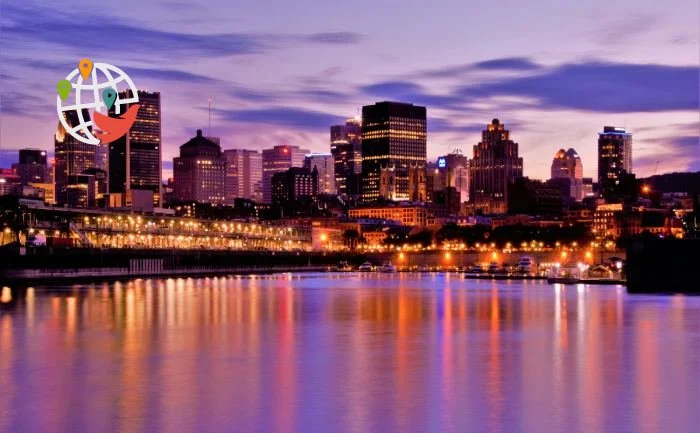
The French charm and multicultural atmosphere blend seamlessly in one of Canada's largest cities.
Montreal is the second-largest city in Canada and the main metropolis of Quebec province. This city, with its rich history and cultural diversity, is one of the most vibrant and interesting places in the country. Visitors and residents enjoy the charm of historic architecture, modern urbanism, and a dynamic cultural life.
Montreal's history dates back to the 17th century when it was founded as the missionary settlement of Ville-Marie. The city quickly developed as a transport, industrial, and financial center.
Until the 1970s, Montreal was Canada's largest city, until it was surpassed by Toronto. Today, Montreal's population is 1.7 million.
Montreal is now a city where the majority of the population is French-speaking, and it's often called the second-largest Francophone city in the world after Paris. Montreal is also an important immigration hub, and its cosmopolitan character attracts people from all over the world. This city continues to be a place where the charm of the past and the dynamism of modernity blend together.
Location and Climate
Montreal is located in southeastern Quebec on the Island of Montreal. This island covers about 365 square kilometers and is the largest in the Hochelaga Archipelago. The city's geographical location is strategically important, as Montreal sits at the intersection of major waterways — where the St. Lawrence and Ottawa rivers meet, playing a key role in its development as a trade and industrial center.
Montreal has a continental climate: winters are cold and snowy, while summers are warm and humid. In winter, temperatures often drop below freezing, accompanied by heavy snowfall and ice storms. Summers can be quite hot, with temperatures reaching 30°C. Precipitation is evenly distributed throughout the year, providing fairly comfortable conditions for living and working in the city.
Life in Montreal
Montreal is known for its high quality of life. The city offers residents the conveniences of modern urbanism combined with a rich cultural heritage and diverse leisure opportunities. A well-developed transport system, affordable housing, and numerous green spaces make Montreal an attractive place to live.




This metropolis is characterized by a diversity of cultures and nationalities, creating a unique atmosphere that can be felt on the city streets, in restaurants, and at numerous festivals.
The city is known for its unique neighborhoods, each with its own special character and appeal. For example, the Plateau-Mont-Royal district, once a working-class neighborhood, has transformed into a trendy area popular among young people and creatives. It's home to numerous cafes, bars, and shops, as well as one of the city's largest parks, La Fontaine Park.
The Latin Quarter, located in the eastern part of downtown, has become one of Montreal's liveliest and culturally richest areas. It's home to educational institutions, restaurants, and bookstores, and the streets often host festivals and musical performances, creating a unique creative atmosphere.
Another iconic neighborhood is the Gay Village. Located along Sainte-Catherine Street, it's one of the largest and most famous LGBTQ+ districts in North America. Bright colorful facades, numerous bars, clubs, cafes, and restaurants make it the center of Montreal's nightlife.
Montreal Attractions
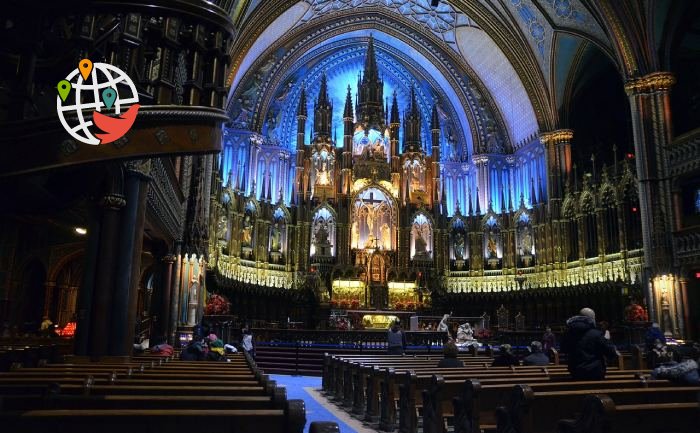
Montreal is a city rich in historical and cultural attractions. One of the most popular places to visit is Old Montreal, where you can see buildings preserved from the 17th-19th centuries. Cobblestone streets, old churches, and museums create a unique atmosphere and immerse you in the city's history.
Notre-Dame Basilica, located in Old Montreal, is one of the city's most famous landmarks. This majestic neo-Gothic building impresses with its architecture and interior, decorated with stained glass and wood carvings. Another important historical site is the Lachine Canal, which played a significant role in the development of Montreal's transport system. Today, this canal is a popular spot for walks and bike rides.
Equally impressive is Place Ville Marie, located in the city center. This architectural complex, including skyscrapers and underground shopping centers, has become a symbol of modern Montreal. Place Ville Marie represents a unique combination of commercial, cultural, and business activity, making the city center a lively and dynamic place.
For art and culture lovers, Montreal offers a rich selection of museums and galleries. The National Gallery of Canada, the Museum of Contemporary Art, and the Montreal Museum of Archaeology and History are just a few of the many institutions worth visiting. These museums offer not only unique collections but also contemporary exhibitions that attract both locals and tourists.
Of course, the most iconic place in the city is Mount Royal, which gave Montreal its name. Located in the heart of the city, the mountain rises to a height of 233 meters above sea level and is the central point around which the city has historically developed.
Cost of Living in Montreal
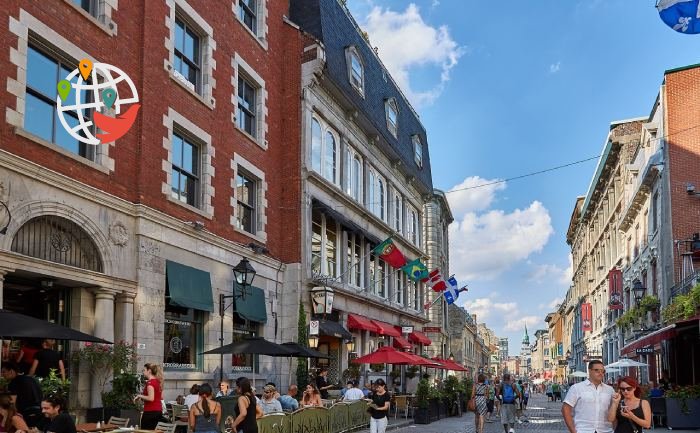
Overall, Montreal is considered one of the most affordable major cities in Canada, especially compared to cities like Toronto or Vancouver. This makes it particularly attractive for families and young professionals.
It's safe to say that Montreal offers great value for money: in the cost of living ranking, Montreal ranked 118th in the world, while in terms of quality of life, it ranked 20th.
The average rent for a one-bedroom apartment in the city center is about $1,500 — $2,000 CAD per month. Outside the city center, prices can range from $1,000 to $1,500 CAD.
The cost of buying your own home in Montreal is also quite affordable. The average price for a house is approximately $600,000 CAD.
For one person in Montreal, it can cost approximately $1,400 CAD per month, excluding rent:
- groceries — $300-500 CAD per month;
- lunch at an inexpensive restaurant for one — $15-20 CAD;
- dinner at a mid-range restaurant for two — $70 CAD;
- monthly public transport pass — $100 CAD;
- utilities — $100-150 CAD;
- internet — $50-80 CAD;
- private kindergarten — $800-1,500 CAD;
- gym membership — $30-60 CAD.
Economy and Employment
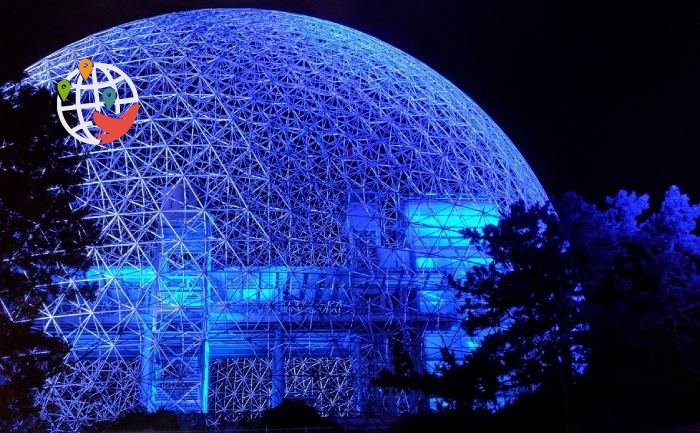
Montreal plays an important role in Canada's economy. Historically, the city developed as an industrial and commercial center, and today its economy remains one of the most diversified in the country. Key industries include finance, information technology, manufacturing, transportation, and the film industry. The city is home to the offices of many large international companies, making it attractive to professionals from around the world.
Today, the city is becoming increasingly multilingual and multicultural, attracting immigrants from various countries. This fosters the development of new industries and startups, making Montreal one of Canada's leading entrepreneurship hubs.
Montreal's job market is characterized by low unemployment rates and ample employment opportunities. The city is actively growing in sectors such as information technology, healthcare, education, and culture.
Salaries in Montreal allow for a comfortable standard of living, especially considering the relatively low housing costs and other expenses compared to other major Canadian cities. This makes Montreal an attractive place to work and live for many professionals.
The average salary in Montreal is $50,000-60,000 CAD. As of October 1, 2024, the minimum hourly wage in Quebec will increase to $17.20 CAD. This means that those working at minimum wage can expect a monthly income of about $2,800-3,000 CAD for full-time employment.
Educational Opportunities in Montreal
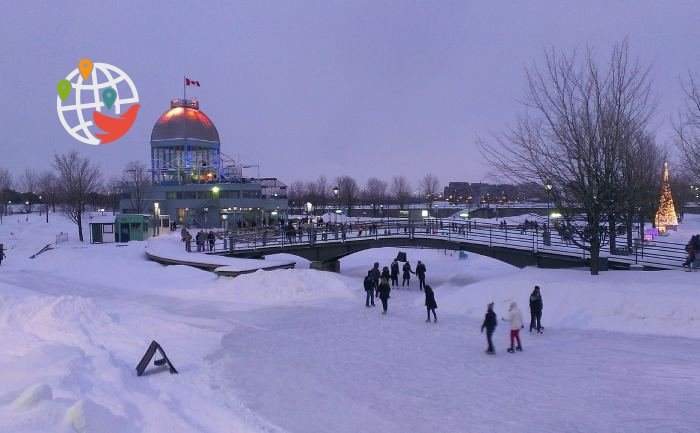
Education in Montreal is one of the most diverse in Canada, making the city attractive to students and researchers from around the world. Montreal is renowned for its universities, colleges, and schools, offering education at various levels, from preschool to higher education. The city is also known for its bilingual education programs, which allow students to study in both English and French.
Public kindergartens in Quebec offer services at an affordable price subsidized by the government, making them an attractive option for many families. Private kindergartens are also widespread but significantly more expensive.
As for schools, Montreal has both public and private options. Public schools offer programs in French and English, depending on the family's language background.
Montreal is one of Canada's leading centers for higher education. It's home to several prestigious universities and colleges that attract students from all over the world.
Three of the city's universities hold honorable places in world rankings. McGill University (29th in the world and 2nd in Canada), Université de Montréal (159th in the world), and Concordia University (415th) are all included in the QS World University Rankings.
Among colleges offering education in high-demand fields, notable ones include LaSalle College, Vanier College, Herzing College, and Dawson College.
How to Move to Montreal
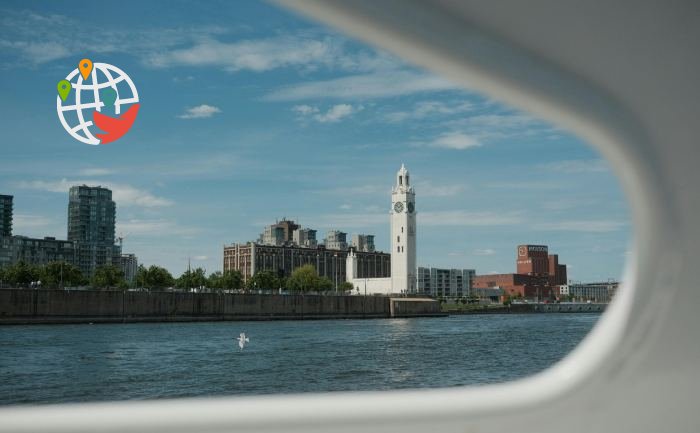
Montreal is a unique city that combines rich historical heritage, modern culture, and a dynamic economy. It's a place where everyone can find something for themselves. The high quality of life, multicultural atmosphere, and affordability make Montreal one of the best cities to live and work in Canada. This city will undoubtedly leave a lasting impression on anyone who visits.
If you want to move to this beautiful city, you can use Quebec's immigration programs.
- for skilled workers (Regular Skilled Worker Program)
- for skilled workers who work in Quebec and have above-average French language skills (Temporary Foreign Worker);
- for Quebec university graduates with above-average French language skills (Quebec Graduate).
- immigration pilot for food industry workers;
- immigration pilot for orderlies;
- immigration pilot for specialists in artificial intelligence, information technology, and visual effects.
- for entrepreneurs (Entrepreneur Program) planning to create or acquire a business in Quebec;
- for investor entrepreneurs (Immigrant Investor Program) who wish to invest in Quebec's economy;
- for self-employed individuals (Self-Employed Worker Program) interested in coming to Quebec to work for themselves.
Canada has many cities that offer comfortable living, career prospects, and stable development. If you want to learn more about Canadian immigration programs, find out which immigration strategy suits your unique case, and take all the right steps, we recommend consulting with specialists. Book a consultation with our licensed immigration consultant and start your journey to Canada!