What to do in your first days in Canada
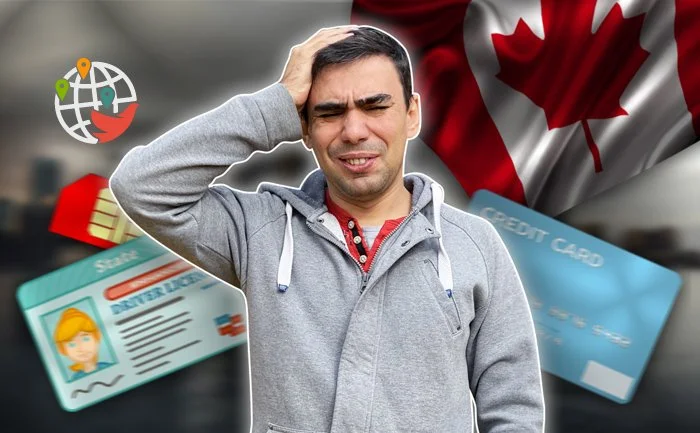
Let's say you received an invitation to immigrate to Canada, bought tickets, arrived... and what to do next?
Some steps are essential to take once you arrive in Canada, they will help you adapt to the country faster and even save you money. When my family and I came to Canada, we didn't know everything, and you have the opportunity to prepare.
By the way, you should start preparing for the move in advance. I have already talked about what you need to do while you are still in your home country.
Upon arrival you will go through the lending procedure — confirmation of your status. In brief, when you apply for an immigration program and are selected, you receive an immigrant visa and proof of permanent residency. When you arrive at the airport, you go through passport control, customs, and immigration. The immigration officer enters you into the database, and you officially become a resident of Canada.
When you are past the lending, your new life in Canada is just beginning, you still have to do the necessary paperwork. Let me give you an example of the steps we took in our first days in Canada.
Rental
Usually people rent temporary housing for a few days or weeks to decide which city and neighbourhood to live in. You can do this on Airbnb before you arrive in Canada. If you have friends in Canada, ask them.
Then you can look for a house or apartment for permanent residence. I definitely do not recommend doing it on the first day, because there are a lot of nuances. It's probably better to record an interview with some realtor to tell all the secrets.
By the way, in Canada itself you can contact a realtor, you do not lose anything from this, because the services are free for tenants. They will also help with buy a house or apartment, if you have the money. We bought a house in our first year and have never regretted it.
SIN number
SIN is a social security number. In French — in Quebec, for example — it is called NAS. You need this number for jobs, renting, credit cards, loans, child benefits and health insurance. In general, you can't go anywhere without an SIN.












Sometimes you can apply for an SIN at the airport when you arrive, but usually it is done at a place called the Service Canada Office. There are offices in almost every town and city in Canada. You will need to go there with your family.
You must provide your passport, original prooves of residency and lending. You will also need to provide a mailing address, to which the documents will arrive later. But you are unlikely to have a permanent address, so specify the one where you temporarily reside. We, if I'm not mistaken, left the address of friends.
Registration is free, you will get your SIN the same day you apply. This number is not to be shared with anyone. You can only give it out when you apply for state aid, scholarships, loans, and the like.
SIM cards
My advice is to buy a Canadian SIM card as soon as possible and download Google Maps, so you won't get lost anywhere. Cell phone service in Canada is expensive, and so is the Internet, so be mentally prepared.
Our family uses the FIDO operator. The traffic balance can only be viewed on the website or in a special application. There were no complaints about the quality of communication, the money is automatically deducted from the credit card.
Credit card
In Canada, it is very important to have a good credit history if you are going to take out loans or a mortgage in the future. It is believed that most Canadians live on credit, and intelligent people can make money on it, I'll talk about that some other time.
Your credit history begins as soon as you open a bank account and get a credit card. All in all, it takes at least three months to build up your history.
Despite the fact that you are new to Canada and no one knows you, the big banks usually trust the holders of permanent residency and approve credit cards. For example, one bank gave me a card with a credit limit of $1,500 CAD, and my wife got the same. After a while, I went to another bank, and they gave me a credit card with a limit of $2,000 CAD.
I hate being indebted, but these limits came in handy a few times when I ran out of money on my card when buying furniture and other things. It is very important to top up your account on time if you have used credit money, otherwise you will not only worsen your history, but you will also be assessed a penalty.
If you are denied a credit card, you can open a so-called secured credit card. To do this, you need to make a security deposit to the bank account, and the credit limit will be set as a percentage of this deposit. Then, when you have already formed some history, you can apply for a regular credit card.
Health insurance
In Canada, medicine is conditionally free. Conditionally, because you pay taxes. In some provinces you cannot use it right away, because you have just arrived and haven't paid anything yet, you have to wait three months. If you get sick and see a doctor in the meantime, you will get money, because you have to pay the price for foreigners, which is very expensive.
So I recommend first of all to find out what are the conditions of public health insurance in the province where you plan to live, and if there you have to wait for some time, to buy commercial insurance, at least for the children.
Driver's license
A Canadian driver's license is a plastic card with your name, photo, address and signature on it. If you have a license from your home country, you can drive with it for a while, usually for the first two to three months, but it depends on the province. Then you must have a driver's license issued by the government of the region where you live.
The process for obtaining a license varies from province to province. It may include a theory test on a computer and a practical driving test on a car. I failed the theory test the first time.
Alex Pavlenko, founder of Immigrant.Today