Alberta — a Beautiful and Wealthy Province
Scenic landscapes, bustling cities, high salaries, and low taxes. How good is life in Alberta?
In this article, we'll cover the following topics:
- geographical location;
- climate;
- where to live;
- crime rate;
- education;
- work and salary;
- in-demand professions;
- prices and taxes;
- healthcare;
- population;
- sights and attractions;
- immigration programs.
Postcard-Perfect Landscapes
Alberta is a western Canadian province with a vast area of over 660,000 square kilometers. More than 4.8 million people live here, and the population is growing rapidly, partly due to immigration.
The provincial capital is Edmonton, while Calgary is the largest city. Alberta borders British Columbia to the west and Saskatchewan to the east. The Northwest Territories lie to the north, and the United States borders Alberta to the south.
Fun fact: The province is named after Princess Louise Caroline Alberta, the fourth daughter of Queen Victoria, who reigned from 1837 to 1901.
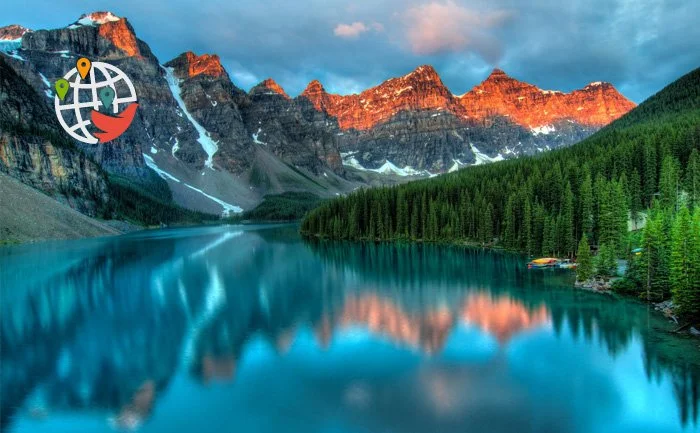
Alberta is an incredibly beautiful province. Have you ever seen photos of Canada with a crystal-clear lake surrounded by mountains and forests? Еhose pictures were definitely taken in Alberta!
Climate
Alberta has a dry continental climate, characterized by cold winters and warm summers. However, due to the province's size, the climate varies significantly from north to south. The southern part averages 24°C in summer and -8°C in winter. Northern areas are colder, with temperatures around 16°C in summer and -24°C in winter.
In southwestern Alberta, a warm wind called chinook can cause sudden temperature rises in winter. The city of Lethbridge in the south is most affected by chinooks, experiencing them for 30 to 35 days a year on average.
Fun fact: Alberta holds the record for the most dramatic temperature change in Canadian history. In the winter of 1962, the town of Pincher Creek saw temperatures rise from -19°C to 22°C in just one hour due to a chinook!
Northern and western Alberta receive more precipitation, while the south and east are prone to drought in summer. Edmonton, Calgary, and surrounding areas experience more hailstorms than any other region in Canada.
Where to Live?
The most populated areas in Alberta are Calgary and Edmonton. The populated zone between these cities is known as the "Calgary-Edmonton Corridor" and is home to about 75% of the province's population.
Calgary












Calgary is a major city located in southern Alberta, in the foothills of the prairie region. Its area exceeds that of Toronto. With over 1.6 million residents, it's the fourth-most populous city in Canada. In 1988, Calgary became the first Canadian city to host the Winter Olympics.
Calgary's economy is primarily based on the oil industry, agriculture, technology, and tourism. However, after the 1980s crisis, the city diversified its economy, so now almost anyone can find work here. In recent years, light industry, e-commerce, film industry, transportation, and service sectors have been actively developing.
Some major employers in the city include:
- AltaGas — a utility provider in Canada and the northern US;
- Canadian Pacific Railway — operator of the Canadian Pacific Railway;
- Imperial Oil — Canada's largest oil company;
- Shaw Communications and Telus — telecommunications companies;
- NOVA Chemicals — a company that produces various types of plastics;
- CNRL — Western Canada's largest natural gas producer.
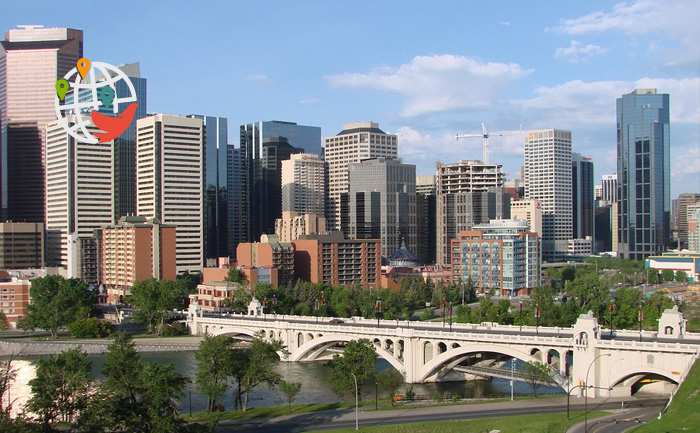
Calgary has frequently appeared in Canadian and even global rankings. It ranked fifth in Mercer's global list of the most livable cities. Later, Mercer awarded Calgary first place for developing zero-waste systems. Forbes recognized Calgary as the cleanest city in the world.
Unsurprisingly, there's plenty to do in Calgary. The city has a commercial center, an entertainment district, an arts district, and a business center. Several ski resorts are located near the city.
Calgary's climate is full of contrasts. Winters are long but very unstable, while summers are short but warm. About half of the winter days see temperatures above freezing due to chinooks. The average temperature on cold winter days is -15°C, and it drops to -30°C for about 5 days a year. You can see the Northern Lights in the city. Due to Calgary's high elevation, summer evenings can be cool. However, daytime temperatures average around 22°C and often reach 25-30°C — sometimes even in May and September. Calgary is also one of the sunniest cities in Canada. Severe hailstorms occur every few years.
Calgary is an excellent city for moving with children. There are many kindergartens and schools, including French-language and Catholic ones, a sports school, and many extracurricular activities. The city also has 5 major public universities and several colleges.
The transportation infrastructure is well developed too. The city has many bus routes, a light rail transit line, expressways, and a vast network of bicycle paths.
Edmonton
Edmonton is located about 300 kilometers from Calgary. It has a population of over 1.5 million people. Edmonton is the cultural, administrative, research, and educational center of Alberta.
The climate in Edmonton is more stable than in Calgary. It has long, cool winters and warm summers. Summer temperatures are not as high, averaging 17-22°C and rarely reaching 30°C. In winter, temperatures drop below -20°C for about 25 days a year, while the rest of the time they hover around -10°C. Edmonton is prone to droughts, but summer often brings thunderstorms and occasionally hail, strong winds, and tornadoes.
Edmonton is the main economic and transportation hub of Alberta. The oil, petrochemical, and gas industries, energy, technology, manufacturing, and financial sectors are particularly well-developed here. You can also find work in service, sales, and food service, as Edmonton is home to several of Canada's largest shopping centers. The Financial Times once named Edmonton the most attractive city for investment in North America.
Some major employers in the city include:
- CN Rail — a transportation company managing railways;
- Alberta Health Services — the provincial health authority;
- Stantec — a company providing design and consulting services;
- PCL Constructors Inc. — a group of construction companies;
- Government of Alberta — the provincial government.
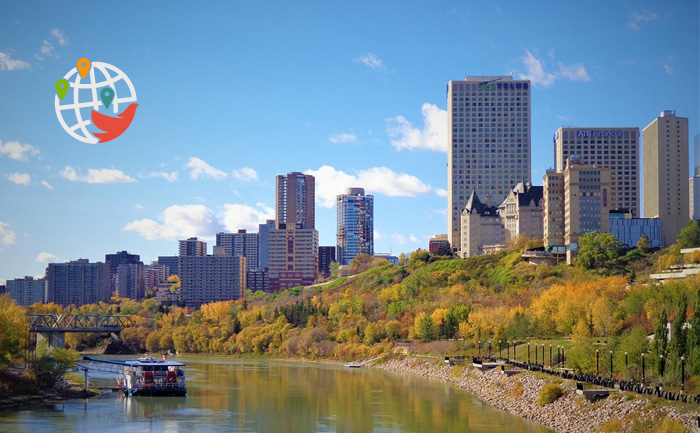
In addition to shopping malls, Edmonton has parks, attractions, and business centers. Transportation is also good. There are plenty of buses, light rail transit lines, and Edmonton is connected to other Canadian cities by rail.
The city has many schools, including French-language ones. They promote the idea of "school by choice" — where students select programs based on their interests. This has led to the creation of alternative educational programs. Higher education is represented by several public universities and colleges.
Other Cities
Of course, the province has many wonderful cities besides Calgary and Edmonton. Let's talk about some of them.
Canmore. This is a small town west of Calgary. Its population is only 16,000, and a fifth of the locals work in culture and arts, but construction and tourism are also developed. The average unemployment rate is only 1.5%. The town is surrounded by mountains and borders a national park, with many places for outdoor recreation. It's an excellent choice for those who prefer a quiet, relaxed life and love being outdoors. Another plus about Canmore is its mild climate. In winter, the average temperature is -4 to -5°C. Summer is also pleasant, averaging 18-22°C.
St. Albert is considered one of the best places to live in Alberta. It's a small city near Edmonton, with a population of about 57,700. It's worth noting that the population has a good level of education. According to recent surveys, 67.5% of adults have completed some post-secondary education — 8% higher than the Canadian average. The city has places for outdoor recreation, sports, attractions, and hosts festivals, including the Cheremosh Ukrainian Dance Festival. The largest farmers' market in Western Canada is located in downtown St. Albert.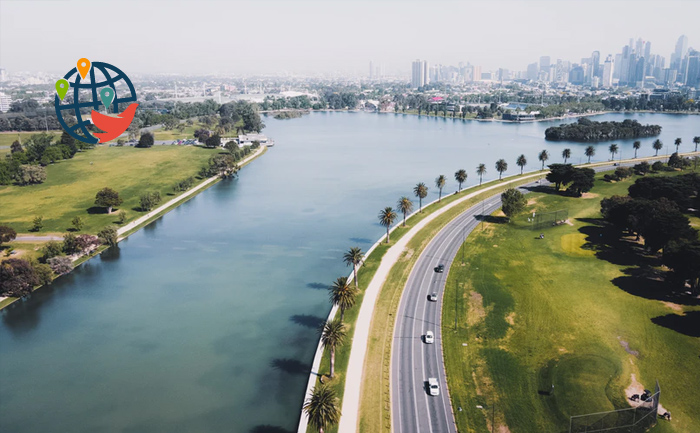
Lloydminster. Located right on the border with Saskatchewan, it is about equidistant from Saskatoon, the capital of Saskatchewan, and Edmonton. Lloydminster is part of both provinces, which is unique in Canada. It has a population of just over 36,000. This city is attractive because it combines rural areas with urban amenities, while growing and developing rapidly. Lloydminster's economy is primarily based on the oil industry and agriculture.
Crime
The crime rate in Alberta is average compared to other Canadian provinces. There are about 50 crimes per 1,000 residents. However, the crime severity index is quite high.
Education
University of Alberta
The University of Alberta is considered the largest university in the province and is located in Edmonton. It has 5 campuses and offers 500 educational programs. It includes two colleges and the Canadian Institute of Ukrainian Studies. The University of Alberta ranked fourth among Canada's best universities in 2024. It has over 30,000 students, including more than 9,000 international students.
University of Calgary
The University of Calgary ranks second among Alberta's universities. It includes a large number of research institutes and centers. Interestingly, former Canadian Prime Minister Stephen Harper studied at this university. The University of Calgary has 5 campuses and offers over 250 educational programs. It has more than 33,000 students, of which about 7,000 are international.
University of Lethbridge
The University of Lethbridge is not as large as the University of Alberta or the University of Calgary, but it also offers serious programs for careers and professional activities. The main campus is located in the small town of Lethbridge, with two more in Calgary and Edmonton. Applicants can choose from 200 programs, and the university has about 9,000 students, including around 550 international students. Its small size doesn't prevent the university from conducting numerous studies in its 15 institutes and centers.
Work and Salary in Alberta
Alberta's economy is one of the strongest in Canada, so there's no shortage of jobs here. Alberta is the largest producer of oil, natural gas, synthetic materials, and petroleum products. Agriculture and technology are also developed to a lesser extent. Additionally, the province attracts many tourists from around the world and is a center for scientific research.

The minimum hourly wage in Alberta is $15 CAD. This is average for Canada. With a minimum salary, working full-time (40 hours per week), you can earn $2,400 CAD per month. The median wage in Alberta is almost the highest in the country, at $28.85 CAD per hour. That's $4,600 CAD per month. The median wage means that half of the workers in the province earn more than this rate, and half earn less.
You have seen 65% of the text.
This article is available only to users with Premium Access.
Want to get access to this and other Premium articles? Subscribe to Premium Access!